

Key Takeaways
- A Professional Caregiver helps maintain independence at home.
- Support includes personal care and companionship.
- Flexible care options fit different family needs.
- Home care offers comfort and personalized attention.
- The right caregiver provides peace of mind.
Deciding when to bring in extra help for a loved one isn’t always easy. Family Caregiver Alliance – Assessing Your Loved One’s Needs Many families struggle with the idea, feeling unsure about what level of support is needed or worried about how it will affect their loved one’s independence. At the same time, balancing work, personal responsibilities, and caregiving can become overwhelming.
Professional Caregiver offer a way to make life easier for families while allowing senior people to remain in their homes. The right caregiver provides the right level of assistance, whether it’s help with day-to-day tasks or more involved care, without disrupting daily routines. This article explores home care services and provides insight into senior companion care.
What Caregivers Actually Do (And How It Helps You and Your Family)
Before Googling ‘Caregiver agency near me’, you should know that caregivers assist with both physical needs and emotional well-being. Many people think of caregiving in terms of medical assistance, but much of the support revolves around daily life and companionship.

They Give Personal Care Assistance
For those who have difficulty with mobility or hygiene, Professional Caregivers provide respectful, reliable, and quality care with bathing, dressing, and moving safely around the house. This kind of support reduces the risk of falls and keeps daily routines manageable.
They Offer Companionship and Mental Well-being (National Institute of Mental Health – Older Adults and Mental Health)
Many older adults or those with health challenges spend a lot of time alone, which can lead to loneliness and a decline in mental strength. Having a caregiver visit regularly can provide much-needed conversation and engagement, making a big difference in mood and mental health.
Take Care of Nutrition and Meal Preparation ()
Planning, preparing, and eating meals can become difficult with age or illness. A caregiver can help with grocery shopping, cooking, and making sure meals meet dietary needs. Proper nutrition helps maintain strength and energy, reducing health complications.
Trained in Medication Management and Health Monitoring
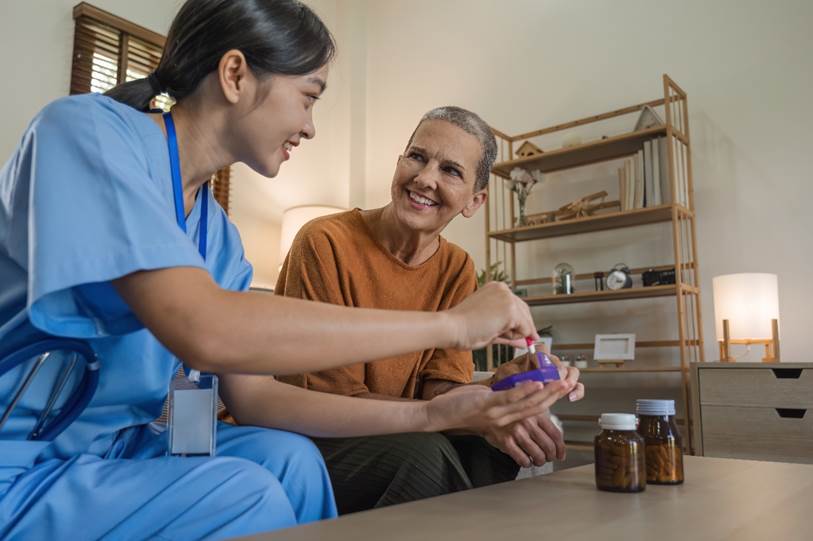
Keeping track of medications, appointments, and health changes is a challenge, especially when multiple prescriptions are involved. Caregivers provide reminders, check vital signs, and alert family members to any concerns before they escalate into serious issues.
Providing Household Help
Managing a home takes time and effort. Laundry, dishes, and light cleaning can become difficult over time. A caregiver can handle these tasks, keeping the home safe and comfortable for seniors while allowing loved ones to focus on what matters most.
Types of Care: Finding the Right Fit for Your Needs
Every person’s needs are different, and caregiving services should reflect that. Some people require only occasional help, while others need ongoing support throughout the day or even around the clock.
Companion Care
For those who are still independent but benefit from regular interaction, light assistance, and check-ins, companion care is a good option. This is often the first step in caregiving support.
Personal Support Care
Some people need more hands-on help with mobility, hygiene, and dressing. Personal support care focuses on maintaining independence while providing physical assistance when needed.
Specialized Care
Chronic illnesses like Alzheimer’s, Parkinson’s, or diabetes require caregivers with specialized training. These caregivers understand how to manage symptoms, offer the right support, and adapt as conditions change.
Live-in Care
For those who need constant care but want to stay at home, a live-in caregiver provides ongoing assistance, including overnight supervision. This is especially helpful for individuals with advanced medical needs or memory-related conditions.
Respite Care
Family caregivers often need breaks, whether for a few hours or a few days. Respite care provides temporary coverage, so family members step away while knowing their loved one is in good hands.
Why Home Care is Often the Best Choice
AARP – Home Care: A Family Caregiver’s Guide
Moving to a care facility isn’t the only option for seniors. Many elder people prefer staying in a familiar environment where they have control over their routines. Home care makes that possible while providing personalized support, and this is how:
- Familiarity Matters
Being surrounded by personal belongings and staying in a space that feels comfortable helps maintain a sense of normalcy. It also reduces stress, especially for those dealing with cognitive challenges.
- One-on-One Attention
Unlike care facilities where staff rotate between multiple residents, home care is focused on the patient. This creates consistency, strengthens trust, and allows caregivers to adapt to personal preferences and habits.
- Adaptability
Care needs evolve over time. With home care, services can be adjusted without the stress of relocation or major disruptions to daily routine.
- Peace of Mind for Families
Knowing that a loved one is receiving the right level of care, whether a few times a week or full-time, reduces stress and burden on family caregivers. Family members can focus on their own responsibilities while feeling confident that their loved one is safe and well cared for.
Overcoming Common Concerns About Hiring a Caregiver
Many people hesitate before bringing in outside help. Some common concerns include:
“I’m not sure my loved one will accept help.”
It’s common for people to be hesitant at first. A gradual approach, like starting with light household help or companionship, can make the transition easier. Once they experience the benefits, many feel more comfortable with ongoing support.
“Can I trust someone in my home?”
This is a valid concern. Professional caregivers go through thorough screening, background checks, and training at Quality Homemakers. We also match caregivers based on personality and preferences, for a good fit. Better Business Bureau – Tips for Hiring In-Home Caregivers
“Is home care affordable?”
Many people assume home care is too expensive, but it’s often more cost-effective than a facility. It also eliminates extra expenses like transportation and meal services. Some insurance plans and government programs may help cover costs.
How to Choose the Right Caregiver for Your Family
Finding the right Professional Caregiver starts with understanding what kind of support is needed. Some key factors to consider include:
Step 1 – Assessing Your Needs
Consider what level of care your loved one requires. Do they need help with physical tasks? Do they need companionship? Do they require specialized care? Answering these questions will help narrow down options.
Step 2 – Experience and Compatibility
A good caregiver should be skilled, reliable, and a good personality match. Someone who aligns with your loved one’s personality and routine will make the experience smoother.
Step 3 – Flexibility and Reliability
A caregiver’s availability should match your needs. If schedules or requirements change, it’s important to have someone who can adjust readily.
Step 4 – Trying a Short-Term Option First
Many families begin with just a few hours of care per week, gradually increasing as needed. This approach allows for a smooth adjustment and ensures the arrangement is the right fit for everyone.

Conclusion: The Right Support Can Make All the Difference
Caregiving is about making life easier for both the client and their family. The right level of support allows people to stay where they’re comfortable, maintain independence, and get the assistance they need without unnecessary disruptions.
If you’re considering home care, start by asking questions and exploring your options. Quality Homemakers in Canada fits every need, Government of Canada – Home and Community Health Care and the right caregiver can provide stability, safety, and reassurance for everyone involved.